
Community
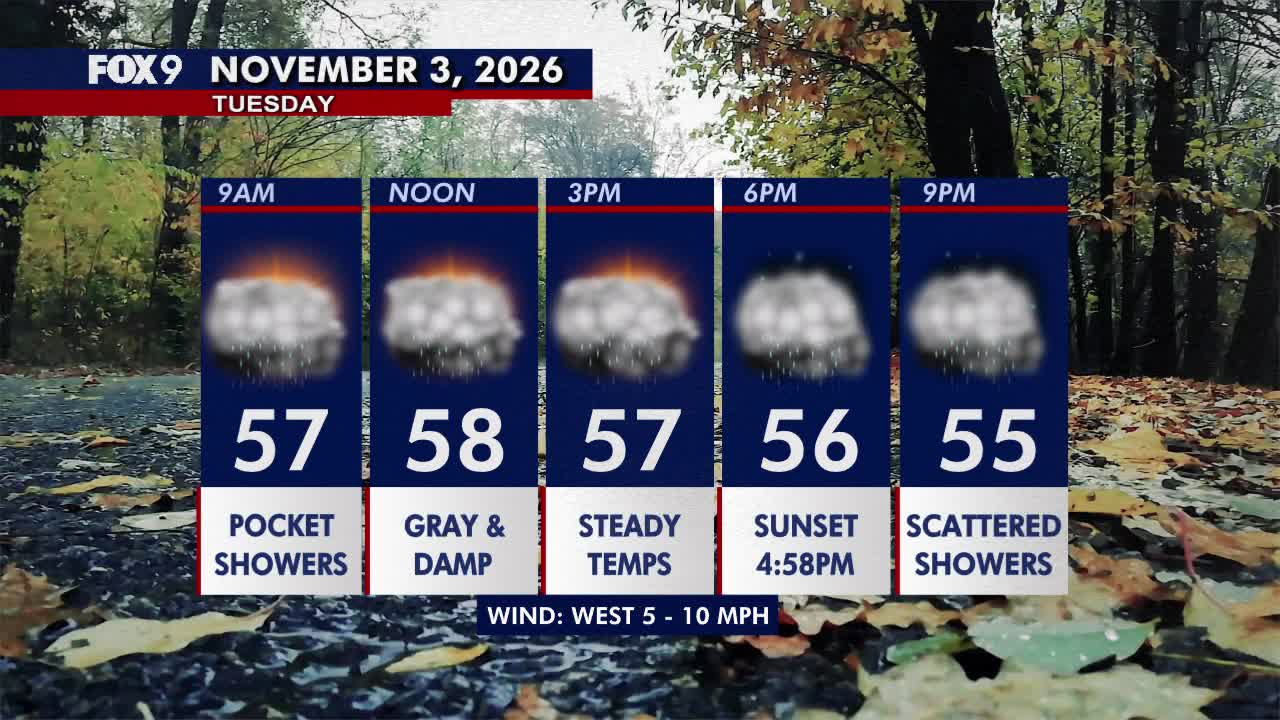
Minnesota weather: Rain totals so far from Monday into Election Day
By Katherine Langford
Advertisement · Why this ad?
Katherine oversees editorial operations across all six brands. Before joining The Meridan Group, she spent 14 years at the Minneapolis Star Tribune, where she led the metro desk through its digital transformation. She holds a Master's in Journalism from Northwestern's Medill School.
More from Katherine →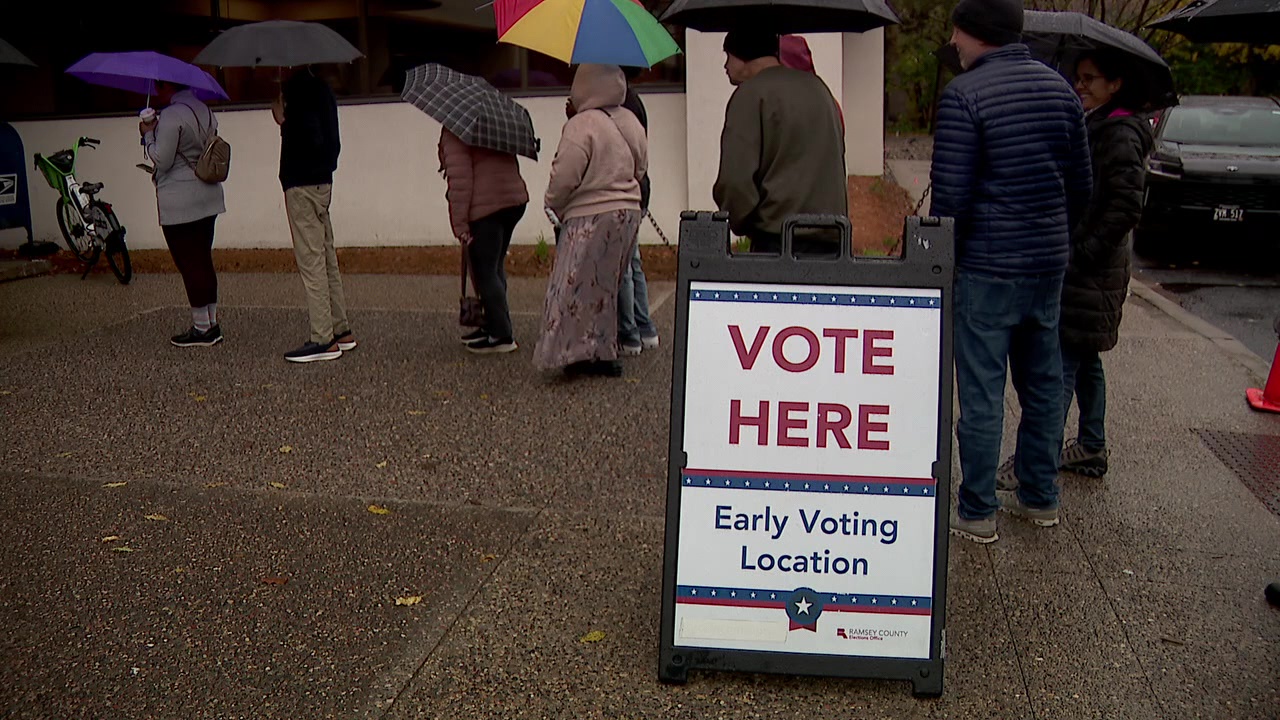
As dawn broke over Minneapolis on a drizzly election day, a palpable sense of anticipation filled the air. Voters, umbrellas in hand, braved the weather to make their voices heard, marking a significant moment in Minnesota's electoral history. This year, the state shattered its previous voting record in a non-presidential election, with nearly 1 million ballots cast, illustrating the deep civic engagement of its residents.
According to the Minnesota Secretary of State’s Office, as of 7 a.m. on election day, officials had accepted an astounding 983,558 ballots. Of these, 699,815 were cast in person while 283,743 were returned by mail. This marks a dramatic increase from the previous midterm election in 2022, where 673,360 ballots were cast early.
The enthusiasm among voters is clear, and officials anticipate that the total number of ballots will exceed 1 million, particularly with approximately 170,000 absentee ballots still outstanding as of Tuesday morning. State officials urged voters still holding absentee ballots to drop them off at local election offices rather than mailing them, emphasizing the importance of timely submission to ensure every vote counts.
Election night promises to be a busy one, with polling places remaining open until 8 p.m. Anyone in line by that time will still be permitted to cast their vote. This accessibility is crucial for ensuring that every eligible voter has the opportunity to participate in the democratic process.
The surge in voter turnout is not just a statistic; it reflects a growing commitment to civic participation among Minnesotans. The state has a long-standing tradition of high voter engagement, and this year’s record serves as a testament to that legacy. Early voting has also seen unprecedented numbers, with the Secretary of State’s Office reporting that 728,961 absentee ballots were accepted by October 29, representing a 61.3% increase compared to the same period in the previous midterm election.
In Minneapolis alone, the city has set its own record by accepting 52,661 absentee ballots, further highlighting the community's dedication to making their voices heard. This trend indicates a shift toward more proactive voting behaviors, with residents recognizing the importance of early participation.
Understanding the implications of such high voter turnout is essential. It signals a robust health of democracy within the community, fostering an environment where citizens feel empowered to advocate for their needs and concerns. The act of voting is a fundamental expression of faith in the democratic process, and when communities rally to participate, it strengthens the societal fabric.
Moreover, the increase in absentee ballots and early voting reflects a shift in how people engage with elections. In an era where convenience plays a significant role in decision-making, the ability to vote early or by mail has made it easier for families and individuals to fulfill their civic duties without the constraints of traditional voting day schedules.
The impact of this record-setting election extends beyond mere numbers; it resonates deeply within the community. For families across Minneapolis, the ability to vote is intertwined with the values of commitment and responsibility. As parents instill the importance of civic engagement in their children, they contribute to a culture of participation that can span generations.
Local leaders have expressed their pride in the community’s engagement, noting that such turnout can lead to more representative governance. “When people vote, they are voicing their hopes and concerns for the future,” said Minneapolis Mayor Jacob Frey. “This level of participation is a clear indication that our residents are invested in the direction of our city.”
Additionally, community organizations have been pivotal in encouraging voter turnout. Groups like the Minnesota Votes initiative have worked tirelessly to educate residents about the voting process, ensuring that everyone knows their rights and options. This grassroots effort has played a significant role in mobilizing voters and fostering a sense of community responsibility.
Organizations such as the League of Women Voters Minnesota and local chapters of the NAACP have also been instrumental in this record turnout. They have hosted numerous workshops and informational sessions leading up to the election, focusing on the importance of voting and how to navigate the absentee ballot process. These efforts have been particularly impactful in underrepresented communities, where barriers to voting can often deter participation.
Moreover, partnerships with local businesses and schools have further amplified these efforts. Many local businesses offered incentives for employees to take time off to vote, while schools engaged students in discussions about civic responsibility, ensuring the next generation understands the importance of their voice in democracy.
As the dust settles on this historic election, attention will turn to the implications of the results. With nearly 1 million votes cast, the outcomes will likely reflect the diverse perspectives and priorities of the Minnesota electorate. Political analysts will be closely monitoring the results, but what remains clear is that the civic engagement demonstrated this year will shape future elections.
Moreover, the high turnout could inspire further reforms in voting accessibility and engagement strategies. As communities continue to advocate for their needs, it is essential for policymakers to respond to this demand for greater participation. Ensuring that every voice is heard and represented will be crucial in maintaining the health of democracy.
For those with questions or concerns about ballots or potential election interference, the Minnesota Secretary of State’s Office remains available for assistance until 8 p.m. on election day. Residents can reach out via phone at 1-877-600-VOTE (8683) or by text at 651-217-3862, ensuring that every voter has the support they need to make their voices heard.
Looking ahead, it will be important for local governments and organizations to build on this momentum. Strategies such as increased outreach to young voters, multilingual voting resources, and continued education on voting rights will be vital in fostering an even more engaged electorate. The success of this election cycle may serve as a catalyst for innovative approaches to voter engagement, ensuring that Minnesota continues to lead the way in civic participation.
By Katherine Langford

By Katherine Langford
By Marcus Chen
By Katherine Langford